E-invoicing in Slovakia | All for One Poland

E-invoicing in Slovakia

Prepare SAP for the eFaktúra system

Starting January 1, 2027, e-invoicing is set to become mandatory in Slovakia for domestic B2B and B2G transactions. Companies using SAP must prepare their systems to handle structured electronic invoices, exchange documents via Peppol, and report invoice data to the Slovak tax authorities.

Dzięki digitalizacji w BeeOffice, masę spraw załatwia się szybciej i sprawniej. Zamiast pytać się działu HR, pracownicy sprawdzają w BeeOffice, ile jeszcze mają dni urlopu do wykorzystania. Wszelkie wnioski do HR można składać i obsługiwać cyfrowo. A specjaliści kadrowi w BeeOffice zarządzają badaniami okresowymi, listą kompetencji i uprawnień pracowniczych, panują nad onboardingiem... Przejrzyj listę gotowych modułów z obszaru HR, wybierz co Cię interesuje - i dodaj je do wyceny.

The Slovak Model of e-invoicing, developed as part of the national eFaktúra system, will apply to domestic business-to-business (B2B) transactions and business-to-government (B2G) transactions. In the first phase, B2C transactions and cross-border transactions will remain outside the scope.

For organizations with a complex SAP environment, adapting to eFaktúra should not be viewed solely as a technical change to the invoice format. It is a compliance project that affects sales, purchasing, finance, document workflow, and status monitoring processes.

What changes will eFaktúra bring to Slovakia?

Slovakia is implementing mandatory e-invoicing based on the Peppol network and the European standard EN 16931. Invoices are to be exchanged in a structured XML format compliant with Peppol BIS Billing.

E-invoice will no longer be just a PDF document sent by email. It will be a structured electronic document that the sender’s and recipient’s systems can automatically process, validate, and archive.

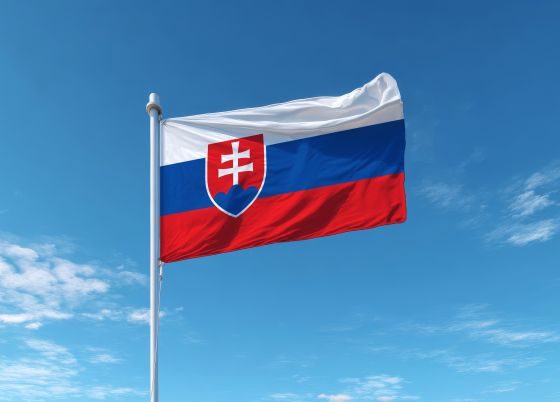
eFaktúra in Slovakia
Key assumptions

  • Scope: domestic B2B and B2G transactions,
  • format: Peppol BIS Billing XML, compliant with EN 16931,
  • exchange network: Peppol,
  • model: decentralized C5 model,
  • voluntary phase: starting in the second quarter of 2026,
  • effective: January 1, 2027,
  • reporting: Invoice data submitted to the Slovak tax authorities.

Peppol, C5, and reporting to the Tax Authority

Under the Slovak model, invoices will be exchanged through certified service providers. Structured invoices will be sent to the recipient via the Peppol network, and the required data will be simultaneously transmitted to the tax authorities.

This distinguishes the Slovak approach from the classic clearance model, in which the administration approves an invoice before it is delivered to the recipient. In the C5 model, the tax authority does not block the document’s circulation prior to shipment, but receives a specific set of reporting data.

Companies face the challenge of designing a process that covers both the sending and receiving of e-invoices and the accurate reporting of data to the authorities. The following will be key: data quality in SAP, invoice field mapping, document validation, handling of response messages, and status monitoring.

Why should companies using SAP start preparing earlier?

January 1, 2027, may seem far off, but in the SAP environment, preparing for e-invoicing usually takes time. This is especially true if a company has multiple subsidiaries, various types of sales and purchasing processes, custom extensions, local invoice variations, or a complex document workflow.

Preparations should include, among other things:

  • an analysis of the invoicing processes in SAP,
  • identification of documents subject to the requirement,
  • mapping data to the Peppol BIS Billing format,
  • integration with a certified Peppol Access Point,
  • processing of outgoing and incoming documents,
  • data validation before shipment,
  • monitoring statuses and errors,
  • integration with local e-reporting processes.

The sooner a company assesses the readiness of its SAP system, the easier it will be to minimize the risk of working under tight deadlines, data errors, and disruptions in invoice processing once the requirement takes effect.


We are an accredited e-invoicing partner in Slovakia

All for One Poland has officially received accreditation in Slovakia as a Certified Service Provider /ASP, which designates us as a certified provider of electronic invoice delivery services. This accreditation confirms our readiness to offer e-invoicing services in the Slovak market, aligning with local regulations and the Peppol ecosystem.

With our own accreditation, we can directly develop and deliver e-invoicing solutions for companies operating in Slovakia, eliminating the need to rely entirely on an external certified provider. This independence allows us greater control over SAP integration, e-invoicing process management, and the ongoing development of our solutions.

International E-Invoicing with All for One

For years, All for One has been helping companies adapt their SAP systems to local legal obligations and compliance requirements. A particularly important point of reference is our experience with Polish e-invoicing projects, specifically preparing for mandatory e-invoicing integrated with KSeF.

From the solution All for One KSeF is already used by over 120 companies that integrate their SAP systems with the Polish National System of e-Invoices (KSeF). These projects have enabled us to build practical expertise in areas that are also key to international e-invoicing implementations: data mapping, document validation, handling large volumes of invoices, integration with external systems, and developing dashboards for business users.

We draw on this experience today in our international projects. All for One Poland is an accredited member of Peppol and provides a solution that supports the integration of SAP with the Peppol network and local B2B and B2G platforms.

How do we help prepare SAP for e-invoicing in Slovakia?

Our solution is based on the All for One E-Invoicing integration layer and communication via a certified Peppol Access Point. This enables us to help companies prepare their SAP systems both for document exchange via Peppol and for local reporting requirements.

We support various versions of SAP and different architectural models, so the solution can be tailored to the customer’s current system landscape, whether in local organizations or international corporate groups.

Get SAP ready for eFaktúra on time

Slovak eFaktúra is an example of a European trend in which electronic invoicing is becoming a mandatory compliance requirement. For companies using SAP, the most important thing is to meet this legal requirement while maintaining the continuity of their sales, purchasing, and finance processes.

If your company operates in Slovakia and uses SAP, it’s a good idea to check now whether the system is ready for Peppol, structured XML invoices, and reporting data to the tax authorities.

All for One will help you prepare your SAP system for e-invoicing in Slovakia on time, in accordance with the requirements, and drawing on our experience from over 120 e-invoicing projects in Poland.

All for One E-Invoicing

All for One supports SAP integration with B2B and B2G e-invoicing platforms,
helping companies process structured electronic invoices in line with Peppol
and other international or local formats and standards.

Recommended offer

Write us Call us Send email


    Details regarding the processing of personal data are available in the Privacy Policy.


    +48 61 827 70 00

    The office is open
    Monday to Friday
    from 8am to 4pm (CET)

    General contact for the company
    office.pl@all-for-one.com

    Question about products and services
    info.pl@all-for-one.com

    Question about work and internships
    kariera@all-for-one.com

    This site is registered on wpml.org as a development site. Switch to a production site key to remove this banner.