

Private Cloud for SAP S/4HANA
A Secure Harbor for SAP
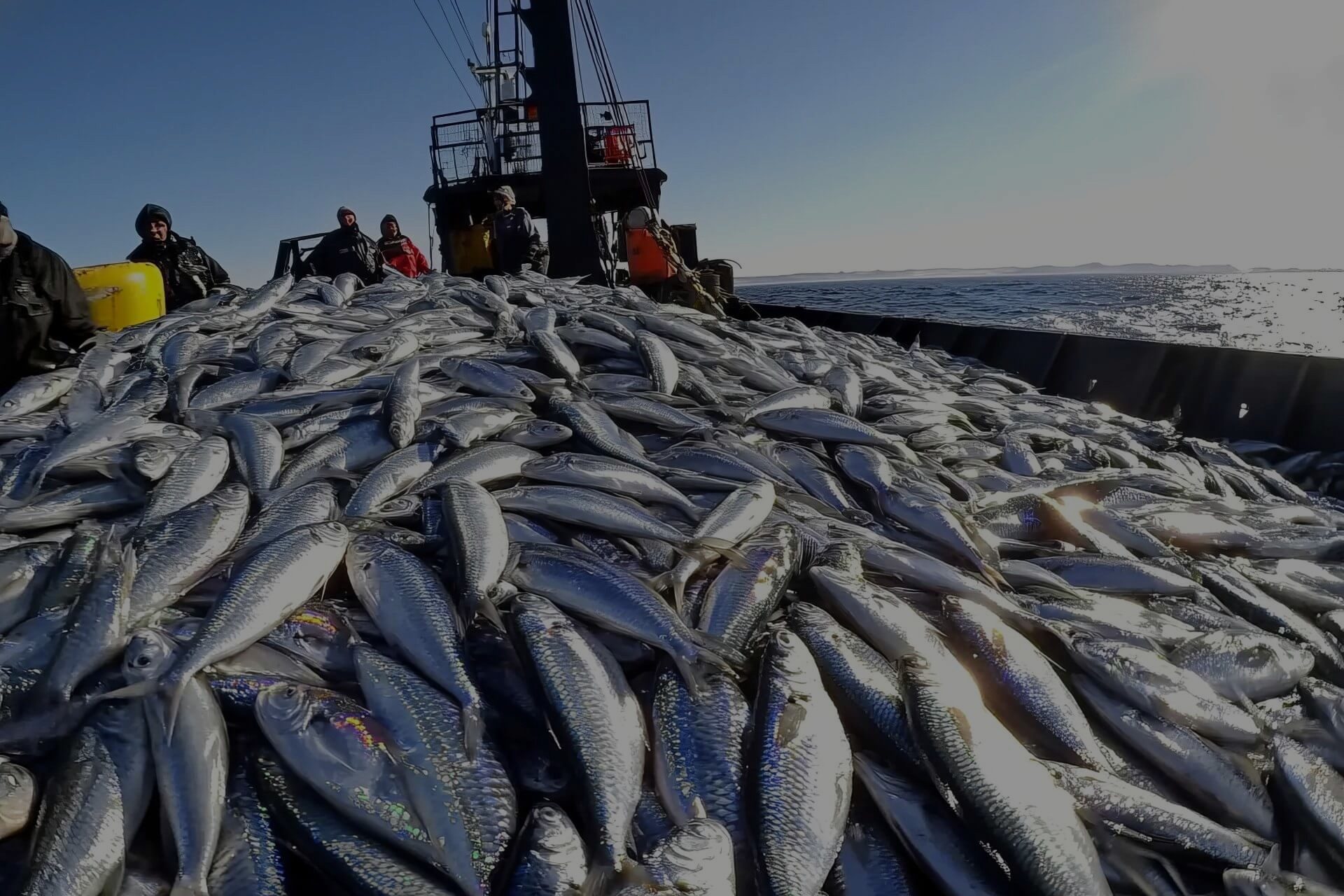
Alda Seafood Holding, a company in the fisheries sector, was spun off from of the Icelandic company Samherji. Business projects of this type always have far-reaching implications also for the management of corporate IT infrastructure. One of them was the need to carve out the SAP system for the holding companies from the corporate instance, as well as to find a new location for this system. Today, following the migration from Iceland, Alda Seafood’s SAP S/4HANA system is hosted in the private cloud at All for One Poland, where it is supported as part of SAP Managed Services.
Alda Seafood Holding, a company in the fisheries sector, was spun off from of the Icelandic company Samherji. Business projects of this type always have far-reaching implications also for the management of corporate IT infrastructure. One of them was the need to carve out the SAP system for the holding companies from the corporate instance, as well as to find a new location for this system. Today, following the migration from Iceland, Alda Seafood’s SAP S/4HANA system is hosted in the private cloud at All for One Poland, where it is supported as part of SAP Managed Services.
In late 2022 and early 2023, an Icelandic company engaged in fishing and seafood processing carved out and sold its foreign assets, including fishing vessels, processing plants, and sales offices in Europe and North America. This resulted in the establishment of Alda Seafood Holding, headquartered in Oegstgeest, the Netherlands. As part of the transaction, the SAP S/4HANA system was carved out from the corporate installation for Alda Seafood companies in the Netherlands, Germany, Spain, Poland, the United States, and Canada.
The SAP carve-out project was carried out with the participation of a partner specialized in SAP transformation projects. However, the issue of a new hardware platform – its design, construction, location, and subsequent administration – for the carved-out system remained to be resolved.
After analyzing the available options, Alda Seafood decided to migrate SAP S/4HANA to the private cloud in the All for One Data Center (the All for One Managed Cloud service).
The All for One Data Center infrastructure used by Alda Seafood is built on resources required and supported by SAP for systems based on the SAP HANA database, including S/4HANA systems. We guarantee our customers unlimited access to RAM and CPU resources.
The systems are maintained in the Tailored Datacenter Infrastructure (TDI) variant. The backup system is integrated with SAP HANA databases.
New Database – A Response to Growing Needs
Changing business requirements and the dynamic growth of individual companies have created the need for a more customized approach to data storage and processing. Carving out the data of these companies from the existing central system not only enables better management of their information resources but also ensures greater autonomy and faster operations while maintaining high security standards.
The scope of work comprised the full migration of the HANA database, including:
- the SAP system import,
- data transfer to the new environment,
- verification of data integrity and configuration,
- functional and performance testing,
- the switchover of the production environment.
Minimal Downtime
One of the key requirements of the project was to minimize the downtime of the production system. By using proven migration tools and a precisely planned sequence of actions, the downtime of the SAP system was reduced to just 4 hours. The entire operation was carried out on a weekend evening, further minimizing the impact on the organization’s business operations.
Step-by-Step Migration
The work was divided into several key stages:
- Environment preparation – new servers were configured and the necessary resources for the HANA database and the file system were provisioned,
- Test migration (dry run) – two full migration tests were carried out in the test environment to identify potential risks and optimize the migration path,
- Actual migration – data was exported from the current system, transferred to the new data center, and imported into the new SAP HANA environment,
- Post-implementation testing – system operation was verified, application tests were carried out, and data integrity was checked.
The SAP HANA migration to the new data center was completed on schedule, without complications, and with minimal downtime. Key success factors included:
- thorough planning and pre-production testing,
- an experienced project team,
- the use of appropriate migration tools,
- close collaboration with business departments.
The work carried out not only met all of the defined technical objectives but also paved the way for further modernization of the SAP environment, including integration with cloud services and the Rockawork document workflow system.
SAP Managed Services
SAP Managed Services are complementary to the provision of a tailored private cloud infrastructure for the SAP system at All for One. This is a package of cloud, hosting, and administration services for SAP systems, customized to the individual needs of each company.
Alda Seafood benefits not only from comprehensive IT administration services (hardware, networks, operating systems, databases, backups), but also from SAP support, including SAP Basis administration, proactive optimization measures, modern data security solutions, and tailored SAP consulting. Thanks to this combination, the system runs smoothly at every level.
What sets All for One SAP Managed Services apart is continuous system monitoring and proactive measures. We also advise our clients on how to further optimize their system performance. Regular meetings between the service coordinator from All for One and the representative of Alda Seafood are held to settle the costs of activities and plan further actions. The coordinator’s responsibilities also include intervening in case an escalation is required.
On a daily basis, the system is supported by a professional service organization, consisting of a versatile team of IT experts (architects, application, network and hardware specialists, security experts) as well as experienced SAP administrators. The system monitoring center operates 24/7/365, and customer requests are received and handled via a service application that serves as a single point of contact.
The All for One Poland service organization operates in accordance with ISO 27001 and ISO 20000 standards and is also SAP-certified.
Rockawork for Purchase Invoices
The newly established Alda Seafood holding, currently consolidating into its new structure, also has other needs in the area of business-supporting applications. One of them was a solution to streamline and automate the workflow of documents, particularly purchase invoices.
For this purpose, Rockawork, a process digitalization platform from All for One Poland, was selected. The workflow process for cost invoices is carried out comprehensively – from registering invoices originating from various sources, through an advanced OCR data recognition system that supports automatic data entry into the Rockawork application, to defined workflow paths and substantive verification of documents. The integration of the Rockawork platform with the SAP S/4HANA system enables full automation of the invoice workflow, up to their submission for posting and subsequent archiving in an efficient and always accessible repository.
Rockawork is optimized for operation in companies using SAP systems, and All for One consultants have extensive experience in integrating the solution with this environment.
One of the elements of launching the platform was also the migration of historical invoices of the companies belonging to the Alda Seafood holding from the tool previously used by Samherji to Rockawork. This aspect was particularly important due to the legal requirements for storing financial documents for a specified period and the need to build an archive for them relatively quickly.
Rockawork has been implemented and operates in line with the company’s business requirements, serving as the central tool for managing the workflow of cost documents.
In SAP carve-out projects, it is crucial to look more broadly than just the database or servers themselves from the outset. In practice, we migrate the entire ecosystem: integrations with external systems, complex business processes, and user habits
A Broad Perspective on SAP Carve-Outs
Alexander Rekść, IT Manager at Alda Seafood Holding concludes: “From the perspective of an IT manager in SAP carve-out projects, it is crucial to look more broadly than just the database or servers themselves from the outset. In practice, we migrate the entire ecosystem: integrations with external systems, complex business processes, and user habits. That’s why we placed great emphasis on mapping all interfaces and dependencies – from financial systems, through logistics, to reporting tools. Such an inventory not only reduces the risk of “surprises" after a switchover, but is also a great opportunity to streamline and optimize the environment, provided that the schedule and budget allow.
The second pillar of success for us was a well-organized testing phase involving key users. The technical migration itself is one thing, but only key users can validate whether the system truly supports business processes as it did before – or better. Therefore, we prepared specific test scenarios, a single tool for reporting results, and clear rules for prioritizing requests. We also paid a lot of attention to enganging these people – calendars, meetings, and rapid responses to feedback – so that they felt jointly responsible for the final outcome
It is worth noting that in this type of project, the party responsible for the target environment on the other side is also of great importance. In our case, this was the first such large project carried out with All for One Poland, which naturally involved a certain level of risk. As early as the partner selection stage, we spent a lot of time getting to know each other – working methods, team competencies, and the support model. From the perspective of the completed project, I can confidently say that the All for One team did an exemplary job: the technical consultants handled tripartite meetings very well, understood both the business perspective and the infrastructure-related assumptions, and were proactive, often ahead of schedule and suggesting practical improvements.
An important aspect that is easily overlooked due to the time distance is future financial audits. The migration of an ERP system in the year subject to audit is something that expert auditors are sure to be interested in. Therefore, from the very beginning, we made sure to document the migration process “in black and white": the plan, execution, test results, confirmation of data consistency with the source environment. This significantly facilitates later discussions with the auditor and provides reassurance to management.
As for the private cloud itself for SAP at All for One, from my perspective, its greatest strength is the combination of SAP HANA–dedicated infrastructure with an experienced team that manages it. We have an environment designed in line with SAP requirements, scalable to meet our needs, with a high level of security and 24/7 monitoring, and at the same time a single point of contact on the partner’s side. In practice, this means that I can focus on developing business processes and new initiatives, rather than “firefighting” infrastructure issues. For a holding company like ours, geographically dispersed and growing dynamically, this is of enormous value."
Alda Seafood
Alda Seafood Holding, headquartered in Oegstgeest, the Netherlands, controls a group of companies operating in the fish industry worldwide, with a primary focus on Europe. It originated as a spin-off from the Icelandic company Samherji, engaged in seafood operations, including fishing activities in Iceland and Europe. Alda Seafood manages a fleet of fishing vessels, fish processing plants, and sales offices in Europe and North America. The company is mainly involved in the fishing, processing, and sale of cod, haddock, saithe, redfish, Greenland halibut, and shrimp.
